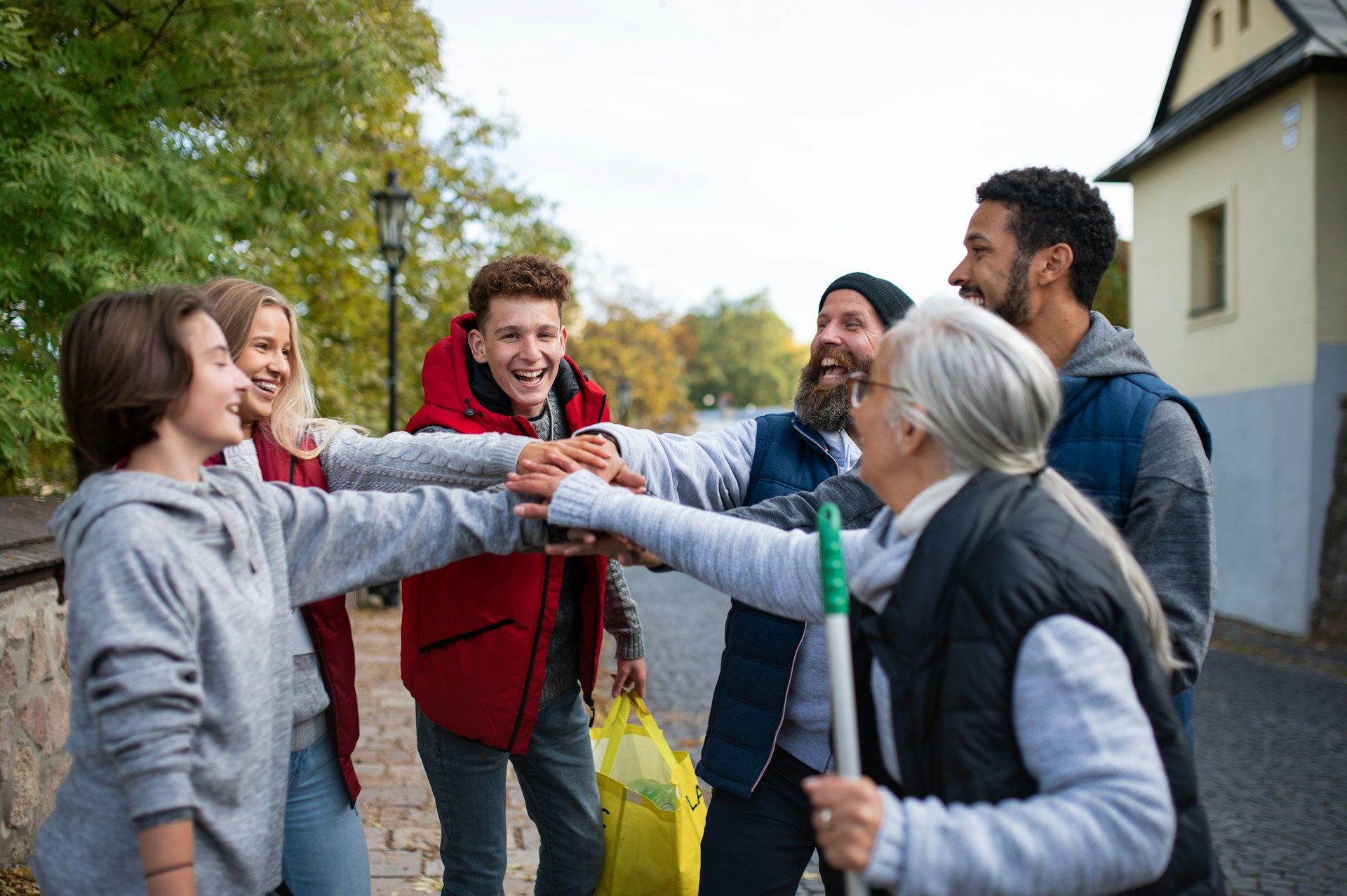
Community service plays an important role in bringing people together and building meaningful relationships. When individuals volunteer their time and skills, they create opportunities to connect with others who share similar goals and values. Moreover, these activities encourage teamwork, kindness, and mutual respect among people from different backgrounds. From neighborhood cleanup projects to local food drives, volunteering helps people develop a stronger sense of belonging. As a result, community service creates stronger social connections while improving the quality of life for individuals and families.
Understanding the Value of Community Service
Community service involves voluntary activities that support local needs and improve public well-being. People participate in these efforts to help others, address social challenges, and make their neighborhoods better places to live. Volunteering also helps people meet new people and build meaningful friendships. These shared experiences encourage cooperation and strengthen relationships among community members.
In addition, community service creates a sense of shared responsibility. When residents work together toward common goals, they learn to appreciate different perspectives and experiences. For example, organizing a community garden brings neighbors together while improving access to fresh food. Consequently, these activities help people build trust, develop mutual understanding, and create lasting social bonds.
Building Trust Through Shared Experiences
Trust is the foundation of strong, healthy communities. However, meaningful trust develops through regular communication and positive interactions. Volunteer projects give people opportunities to collaborate, exchange ideas, and support one another. As individuals work together, they recognize the value of teamwork and become more comfortable relying on others.
Moreover, shared experiences help remove social barriers that often separate individuals. People from different cultures, age groups, and economic backgrounds can work toward the same objective. For instance, participating in neighborhood improvement programs encourages residents to communicate and cooperate. Therefore, community service strengthens trust and promotes positive relationships across diverse groups.
Encouraging Meaningful Community Relationships
Strong social connections help individuals feel supported and valued within their communities. Community service encourages people to interact beyond their usual social circles. Through volunteering, individuals can form friendships, expand professional networks, and discover shared interests. Additionally, these relationships often continue after volunteer projects end, creating long-term connections.
Furthermore, community programs offer valuable opportunities for people experiencing social isolation. Older adults, new residents, and individuals living alone can benefit from organized volunteer activities. By joining local initiatives, they can meet welcoming people and develop a sense of inclusion. As a result, community service helps create supportive environments where everyone has opportunities to connect.
Promoting Teamwork and Collective Responsibility
Successful community projects depend on cooperation and shared effort. Volunteers must communicate clearly, divide responsibilities, and support each other to achieve their goals. As a result, these activities strengthen teamwork skills and encourage individuals to contribute their unique abilities. Whether organizing charity events or supporting educational programs, volunteers learn how collaboration produces meaningful results.
Additionally, collective responsibility motivates residents to take greater interest in local challenges. When people recognize that their actions can improve community conditions, they become more willing to participate in future projects. This shared commitment encourages ongoing civic engagement and strengthens neighborhood relationships. Therefore, community service helps create an active population that values cooperation and social progress.
Supporting Emotional Well-Being and Social Inclusion
Community service offers emotional benefits alongside its practical contributions. Helping others can increase personal satisfaction, strengthen confidence, and provide a sense of purpose. Moreover, volunteers often experience positive emotions when they see how their efforts improve someone’s life. These experiences encourage stronger emotional connections between individuals and the communities they serve.
At the same time, inclusive volunteer programs create welcoming spaces for people with different abilities and backgrounds. Organizations can encourage participation by offering flexible schedules, accessible activities, and supportive environments. As more individuals become involved, communities gain diverse perspectives and valuable skills. Consequently, inclusive service initiatives promote understanding while helping residents develop meaningful social relationships.
Strengthening Neighborhoods Through Local Action
Local volunteer efforts can improve neighborhoods while encouraging stronger personal connections. Activities such as cleaning public parks, supporting food banks, and organizing educational workshops address common community needs. These projects also bring residents together and encourage communication and shared achievement. Each successful initiative can inspire greater cooperation among neighbors.
Similarly, regular volunteer programs help maintain relationships over time. Residents who participate in recurring activities become familiar with one another and develop stronger community identities. These ongoing interactions make it easier to identify local concerns and organize future improvements. As a result, neighborhoods become more connected, supportive, and prepared to address shared challenges.
Creating Lasting Social Connections Through Service
Building lasting relationships requires continued participation and genuine commitment. Community organizations can support this process by offering regular volunteer opportunities and encouraging open communication. Moreover, recognizing volunteer contributions helps individuals feel appreciated and motivated. When people see positive results from their efforts, they often develop a deeper connection to their communities.
Ultimately, community service creates stronger social connections by bringing people together through shared goals, kindness, and cooperation. It helps individuals build trust, form friendships, and understand others’ needs. Furthermore, consistent volunteer efforts create a culture of mutual support and collective responsibility. By encouraging meaningful participation, communities can strengthen social bonds and build welcoming environments where everyone can contribute and thrive.