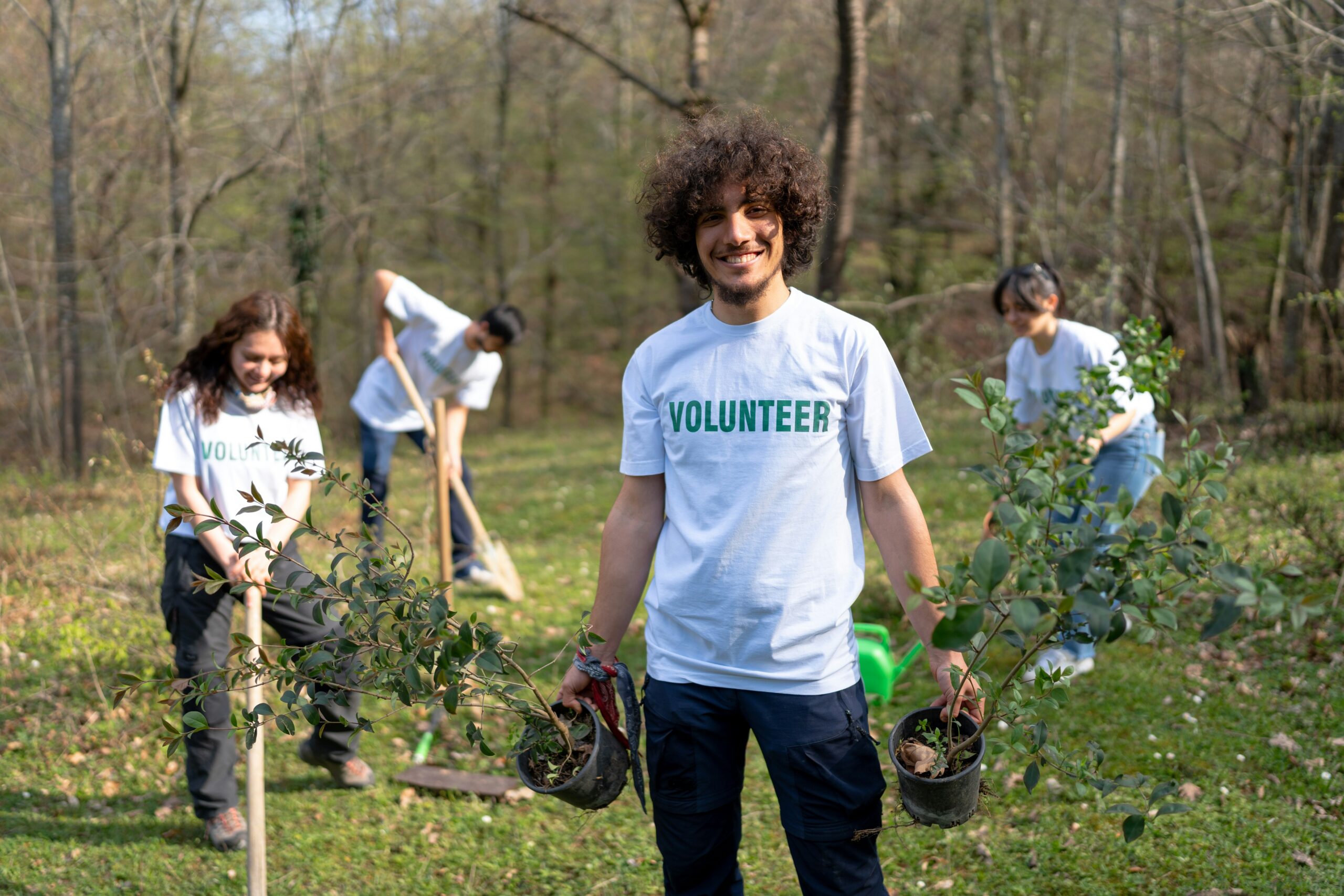
Volunteering for personal growth offers a powerful way to develop life skills, build confidence, and create meaningful relationships. When people give their time to help others, they also discover new strengths and abilities. Moreover, volunteer work encourages responsibility, empathy, and teamwork. These qualities support personal development and help individuals achieve greater success in everyday life.
Community service provides valuable experiences that traditional learning environments may not offer. Whether someone helps at a food bank, supports local schools, or joins an environmental project, every activity creates learning opportunities. Furthermore, volunteering connects individuals with different communities and challenges. As a result, people develop broader perspectives while making positive contributions to society.
Understanding the Connection Between Volunteering and Personal Growth
Volunteering for personal growth involves learning through meaningful service and community participation. Unlike activities focused only on personal achievement, volunteering encourages people to consider others’ needs. This approach strengthens emotional awareness and promotes responsible behavior. Additionally, working toward shared goals helps people understand the importance of cooperation and commitment.
Personal development often requires new experiences and challenges. Volunteer activities provide both in supportive environments. For example, someone who joins a community outreach program may learn how to communicate with unfamiliar people. As a result, these experiences build confidence, adaptability, and a commitment to continuous self-improvement.
Building Self-Confidence Through Meaningful Volunteer Experiences
Confidence grows when individuals recognize their ability to handle responsibilities and overcome challenges. Volunteering provides practical opportunities to test personal strengths and develop new abilities. For instance, organizing a charity event requires communication, planning, and decision-making. Completing these tasks can help volunteers feel more capable and motivated.
Furthermore, volunteer work encourages people to move beyond familiar routines. Individuals may need to speak publicly, lead discussions, or collaborate with new team members. Although these situations can feel uncomfortable at first, regular participation reduces uncertainty. Over time, volunteers often become more comfortable expressing ideas and accepting responsibilities.
Developing Communication and Interpersonal Skills
Effective communication supports healthy relationships and professional success. Volunteer activities often involve teamwork with individuals from different backgrounds. As a result, participants must learn to explain ideas clearly, listen carefully, and respond respectfully. These experiences strengthen interpersonal skills and encourage meaningful conversations.
Additionally, volunteering teaches people how to communicate during challenging situations. For example, community projects may involve disagreements about schedules, resources, or responsibilities. Volunteers learn to address concerns calmly and find practical solutions. As a result, they develop patience, emotional awareness, and stronger relationship-building abilities.
Strengthening Leadership Skills Through Community Service
Leadership development represents an important benefit of volunteering for personal growth. Community organizations often provide opportunities to coordinate activities, guide participants, and manage projects. These responsibilities help individuals practice decision-making and organizational skills. Moreover, volunteers learn how to motivate others while working toward shared objectives.
Strong leadership also requires empathy, accountability, and flexibility. Volunteer experiences encourage these qualities because participants must consider different opinions and community needs. For example, a team leader may need to adjust plans when unexpected challenges arise. As a result, volunteering prepares individuals to lead responsibly in personal, educational, and professional settings.
Encouraging Emotional Intelligence and Empathy
Volunteering helps individuals understand emotions and recognize others’ experiences. Through community service, participants interact with people facing different challenges. These encounters encourage compassion and broaden personal perspectives. Furthermore, volunteers often develop a deeper appreciation for kindness and the importance of social support.
Emotional intelligence also improves when individuals learn to manage their reactions during difficult situations. Volunteer work may require patience, understanding, and thoughtful communication. As a result, participants gain experience responding to others with respect and sensitivity. These abilities can strengthen friendships, family relationships, and workplace interactions.
Improving Problem-Solving and Critical Thinking Abilities
Volunteer projects frequently involve practical challenges that require creative solutions. Limited resources, unexpected changes, and different community needs can make planning difficult. However, these situations encourage volunteers to evaluate problems and explore alternatives. As a result, participants develop stronger critical thinking and decision-making skills.
Moreover, volunteering teaches individuals how to remain flexible when plans change. For example, organizing a community fundraiser may require adjusting activities or finding additional support. Volunteers must identify priorities and make thoughtful decisions. These experiences help people become more resourceful and confident when facing challenges outside volunteer settings.
Supporting Mental Health and Emotional Well-Being
Meaningful activities can contribute to emotional satisfaction and a stronger sense of purpose. Volunteering lets people focus on helping others while building supportive relationships. Community projects may also reduce isolation by creating opportunities for regular social interaction.
However, volunteering works best when people keep realistic expectations and maintain healthy boundaries. Taking on too many responsibilities can create stress and exhaustion. Therefore, volunteers should choose activities that match their interests, schedules, and abilities. A balanced approach lets people enjoy meaningful service while protecting their well-being.
Creating Career Opportunities Through Volunteer Work
Volunteering for personal growth can also support professional development. Many organizations offer opportunities to practice communication, administration, event planning, and project management. These experiences help individuals build transferable skills employers value. Volunteer activities also demonstrate initiative, reliability, and a willingness to learn.
Volunteer work also introduces participants to professionals and community leaders. These relationships may provide mentorship, career advice, and useful connections. For example, someone interested in nonprofit management may gain practical experience through community programs. As a result, volunteering can help individuals explore career interests and make informed professional decisions.
Building Stronger Social Connections and Relationships
Social connections play an important role in personal happiness and development. Volunteering brings people together through shared interests and meaningful goals. Participants often meet people they wouldn’t encounter in their usual routines. As a result, community service creates opportunities for friendship, cooperation, and mutual understanding.
Working together also builds trust and respect. Volunteers learn to appreciate different perspectives as they work toward shared goals. These experiences can strengthen communication and reduce social barriers. As a result, volunteering helps individuals develop supportive relationships that may continue long after a project ends.