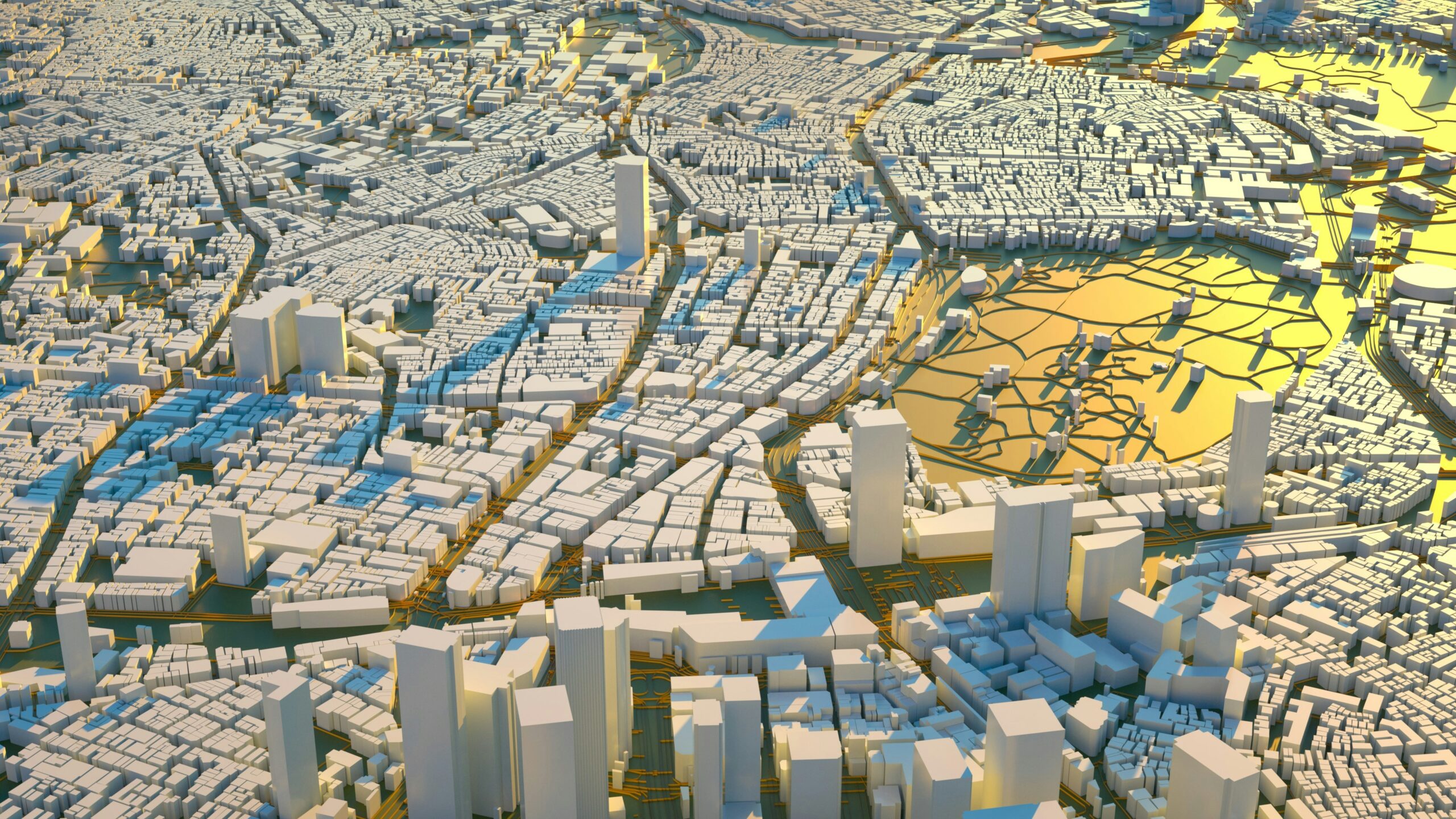
Urban development projects are reshaping cities worldwide, creating new opportunities for economic growth and redefining how communities live, work, and interact. From modern residential complexes to large-scale commercial centers, these projects have far-reaching effects on the local economy. Urban development not only enhances the physical landscape but also stimulates business activity, employment, and long-term investment. Understanding the economic impact of these projects is essential for policymakers, developers, and communities seeking sustainable urban growth.
Driving Employment and Workforce Expansion
One of the most visible economic benefits of urban development is job creation. Construction activities, infrastructure upgrades, and real estate development require a wide range of labor, from skilled engineers and architects to construction workers and administrative staff. Beyond the construction phase, newly developed urban areas stimulate demand for services such as retail, hospitality, healthcare, and education. This demand creates additional jobs, strengthens the local labor market, and provides new opportunities for professional development.
Urban development also encourages entrepreneurship. Small businesses often thrive in revitalized neighborhoods, opening shops, cafes, and service-oriented enterprises. This influx of businesses not only enhances local economies but also diversifies job opportunities for residents. The resulting economic ecosystem ensures that employment opportunities continue to grow even after construction projects are completed.
Enhancing Property Values and Attracting Investment
Urban development projects have a significant impact on property values. Renovated neighborhoods and new commercial districts often attract investors and homebuyers seeking modern living spaces and accessible amenities. Rising property values can boost property owners’ wealth and increase local tax revenues, providing funds for additional community projects.
Investment in urban areas extends beyond real estate. Infrastructure improvements, transportation networks, and public amenities attract both domestic and international investors looking for stable, long-term opportunities. The presence of reliable infrastructure and modern facilities often signals economic vitality, encouraging further investment and creating a cycle of growth that benefits the wider community.
Strengthening Local Businesses and Commercial Activity
Urban development plays a crucial role in supporting local businesses. Upgraded commercial spaces and pedestrian-friendly streets increase foot traffic, creating a thriving environment for retailers, restaurants, and service providers. Well-planned urban projects often include mixed-use spaces that combine residential, commercial, and recreational areas, allowing businesses to operate efficiently and reach a steady stream of customers.
In addition, urban development can boost the tourism and hospitality sectors. Cities with modern infrastructure, cultural attractions, and vibrant public spaces tend to attract visitors, which in turn supports hotels, restaurants, and entertainment venues. Tourism-driven economic activity provides revenue and creates additional employment opportunities, further strengthening the local economy.
Promoting Long-Term Economic Growth
Beyond immediate benefits, urban development contributes to long-term economic growth. Strategic urban planning can attract large-scale businesses, technology firms, and corporate headquarters, creating high-value jobs and fostering innovation. Cities with modern infrastructure and well-designed public spaces often become hubs for skilled professionals and entrepreneurs.
Sustainable development practices are increasingly integrated into urban projects. Energy-efficient buildings, green spaces, and efficient public transportation systems enhance residents’ quality of life while reducing environmental impact. Such sustainable approaches make cities more attractive to investors and businesses seeking to operate in environmentally responsible areas. Over time, this focus on sustainability supports economic resilience and competitiveness.
Social and Economic Considerations
While urban development brings significant economic benefits, it also presents challenges that require careful management. Rising property values, for example, can lead to gentrification, displacing long-term residents and altering the social fabric of communities. Local governments and developers must balance economic growth with social equity, ensuring that development projects benefit all residents.
Urban development also requires substantial investment and coordination among stakeholders. Large-scale projects involve funding from private investors, public authorities, and, in some cases, international partners. Effective governance, transparent planning, and community engagement are critical to ensuring that urban development translates into lasting economic benefits rather than creating financial strain or social tension.
Urban Development as a Catalyst for Innovation
Urban development projects often serve as platforms for innovation and creativity. Modern cities are increasingly designed with smart technologies, sustainable infrastructure, and flexible commercial spaces that can adapt to evolving economic needs. These features attract innovative businesses and startups, fostering entrepreneurial activity and knowledge-based industries.
Additionally, cultural and recreational components of urban projects contribute to economic growth. Public spaces, art installations, and cultural events attract visitors and residents alike, promoting local spending and enhancing the city’s reputation as a vibrant, economically active center. The integration of cultural and commercial development ensures that economic growth is holistic and multifaceted.
The economic impact of urban development projects extends far beyond the construction of buildings and roads. By creating jobs, increasing property values, supporting local businesses, and attracting investment, these projects generate lasting economic benefits for cities and communities. Thoughtful planning ensures that growth is sustainable, socially inclusive, and adaptable to future challenges.
As urban areas continue to evolve, the interplay between development, economic vitality, and community well-being becomes increasingly important. Well-executed urban development not only strengthens the economy but also enhances residents’ quality of life and positions cities as competitive, innovative hubs for business and culture. By understanding and managing the economic implications of these projects, cities can harness the full potential of urban development to foster prosperity for generations to come.