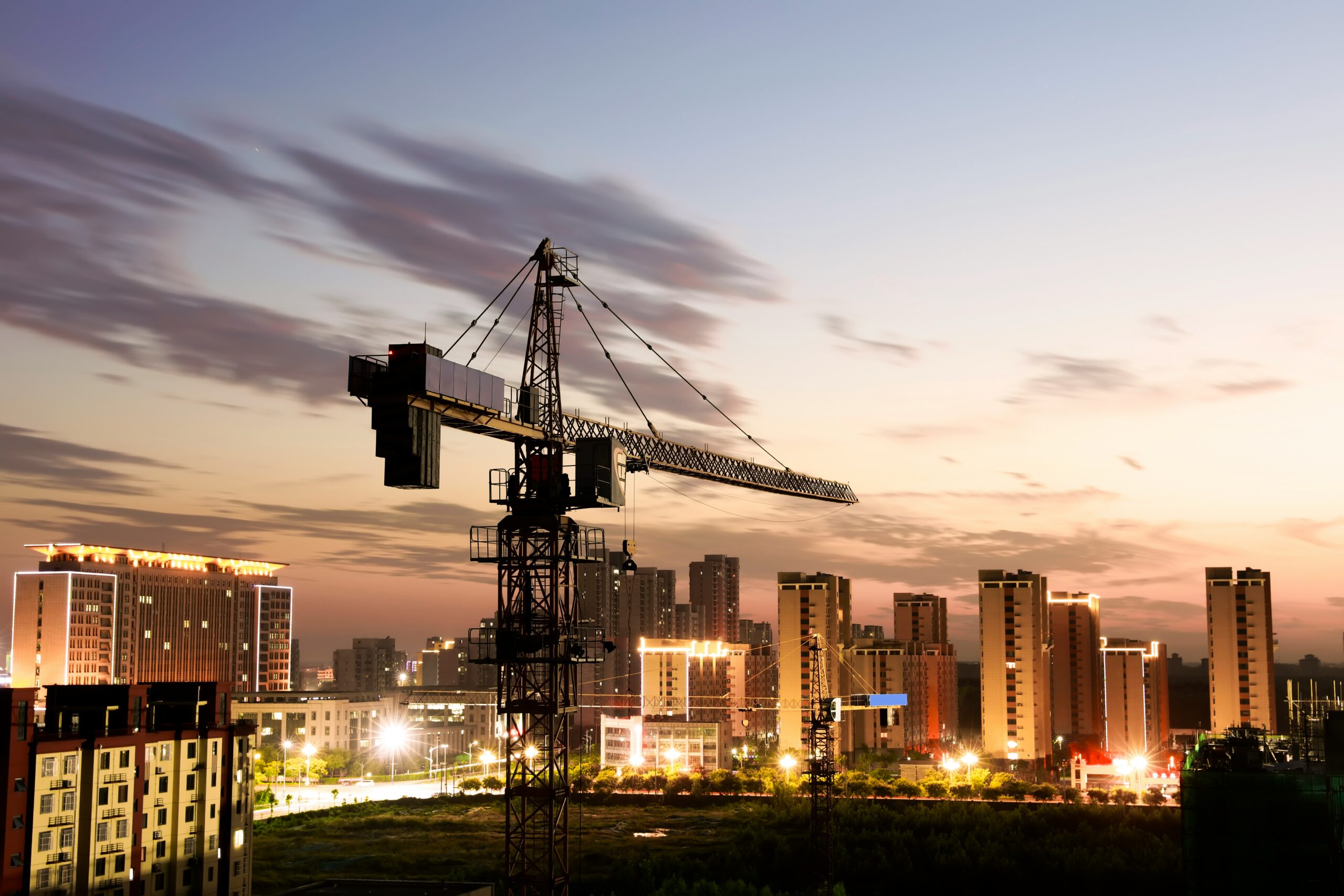
Modern urban development is transforming how cities grow and how people experience daily life. Across the world, new neighborhoods are being designed to meet the needs of growing populations, changing lifestyles, and new technology. These projects are not only about building apartments, offices, and roads. They are about creating complete communities that offer comfort, convenience, and long-term value. Today’s urban developments are carefully planned to help people live closer to where they work, shop, and relax. They include better transportation, greener spaces, smarter buildings, and stronger community connections. Because of these features, modern developments are becoming the model for the future of city living.
Urban Development Has Moved Beyond Traditional Design
Older city designs often separated homes, offices, shopping centers, and entertainment areas. This created long commutes, heavy traffic, and neighborhoods that felt disconnected. People had to spend more time driving from one place to another, which reduced convenience and increased stress.
Modern urban developments are changing this approach. Developers now focus on creating neighborhoods where many daily activities can happen in one location. Residential buildings, office spaces, restaurants, parks, and stores are often placed within walking distance of one another.
This style of planning creates a more active and efficient environment. Residents can enjoy shorter travel times and easier access to important services. At the same time, businesses benefit from being closer to customers and workers.
By bringing everything together, modern developments make cities feel more connected and easier to navigate.
Smart Planning Is the Key to Success
Every successful urban development begins with detailed planning. Before construction starts, developers study how people use space and what they need from a neighborhood. They look at transportation, population growth, nearby businesses, and the future of the local area.
Smart planning allows developers to create communities that can continue to grow without becoming overcrowded or difficult to manage. Roads, utilities, schools, and public spaces are designed to support both current residents and future generations.
One of the most important goals of modern planning is flexibility. Cities are constantly changing, so developments must be able to adapt. A neighborhood that works well today should still be useful years from now. This is why many modern projects include spaces that can be used for different purposes over time.
For example, an office building may later be converted into apartments, or a public area may be redesigned for new activities. Flexible planning helps urban developments stay valuable and relevant.
Transportation Makes Urban Areas More Efficient
Transportation is one of the main reasons why some urban developments succeed while others struggle. People need to move easily between home, work, school, and entertainment. If transportation is difficult, daily life becomes frustrating.
Modern developments are designed with multiple ways to travel. Instead of depending only on cars, they include public transportation, bike paths, and walkable streets. This reduces traffic and gives residents more choices.
Transit-oriented development has become especially important. In these communities, homes and businesses are located close to train stations or major bus routes. This makes commuting faster and more convenient.
Walkability is another major feature of modern urban areas. Wide sidewalks, safe crossings, and attractive streets encourage people to walk more often. Walking not only improves health but also helps local businesses, as people are more likely to stop at stores and restaurants.
A well-designed transportation system supports every part of an urban development. It improves the quality of life and makes the community more appealing.
Technology Is Shaping the Modern City
Technology plays a major role in the success of today’s urban developments. Smart technology is now built into many homes, offices, and public spaces. These tools help make communities more efficient, secure, and comfortable.
Modern buildings often include energy-saving systems, digital security, and smart controls for heating and lighting. Residents can manage many of these features through their phones, making daily life easier.
Cities are also using technology to improve traffic and public services. Smart traffic lights can adapt to road conditions, reducing delays and congestion. Public lighting can save energy by automatically adjusting when fewer people are nearby.
Fast internet has become another essential feature of urban development. Many people now work from home, run online businesses, or rely on digital services. A neighborhood with strong internet access is more attractive to both residents and companies.
Technology also helps city planners understand how people use a space. Data can show which areas are crowded, which roads need improvement, and how resources are being used. This information makes future planning more effective.
Green Spaces Improve Life in the City
Modern urban development is not focused solely on buildings and roads. Green spaces have become an important part of creating a better city environment.
Parks, gardens, trees, and walking trails make neighborhoods more attractive and healthier. These areas provide people with places to relax, exercise, and spend time with others. Green spaces also improve mental health by reducing stress and creating a more peaceful atmosphere.
Environmental benefits are another reason why green spaces matter. Trees help improve air quality and lower temperatures during warm weather. Plants and open land can also reduce flooding by absorbing rainwater.
Developers now understand that people want more than just a place to live. They want a neighborhood that feels welcoming and balanced. Green spaces help create that feeling.
Community Is the Heart of Every Development
The most important part of any modern urban development is the community itself. Buildings and technology are valuable, but they do not create a successful neighborhood on their own. People need places where they can connect, interact, and feel at home.
Modern developments often include public plazas, outdoor seating, local events, and shared spaces that encourage people to spend time together. These features help create stronger relationships between neighbors.
When residents feel connected to their community, they are more likely to stay and invest in the area. This creates neighborhoods that are lively, stable, and energetic.
Modern urban developments succeed because they are built around people. They combine smart planning, transportation, technology, and green spaces to create places where communities can truly thrive.